 IT
IT
22.86 x 11.43 x 11.43 è uno spazio di dialogo artistico definitosi tra Matteo Bettini e Sonia Gorecka a partire dal 2023, che ricostruisce, indaga e attinge dalla storia di una pietra scomparsa ai piedi del Mottarone, nel Piemonte Orientale.
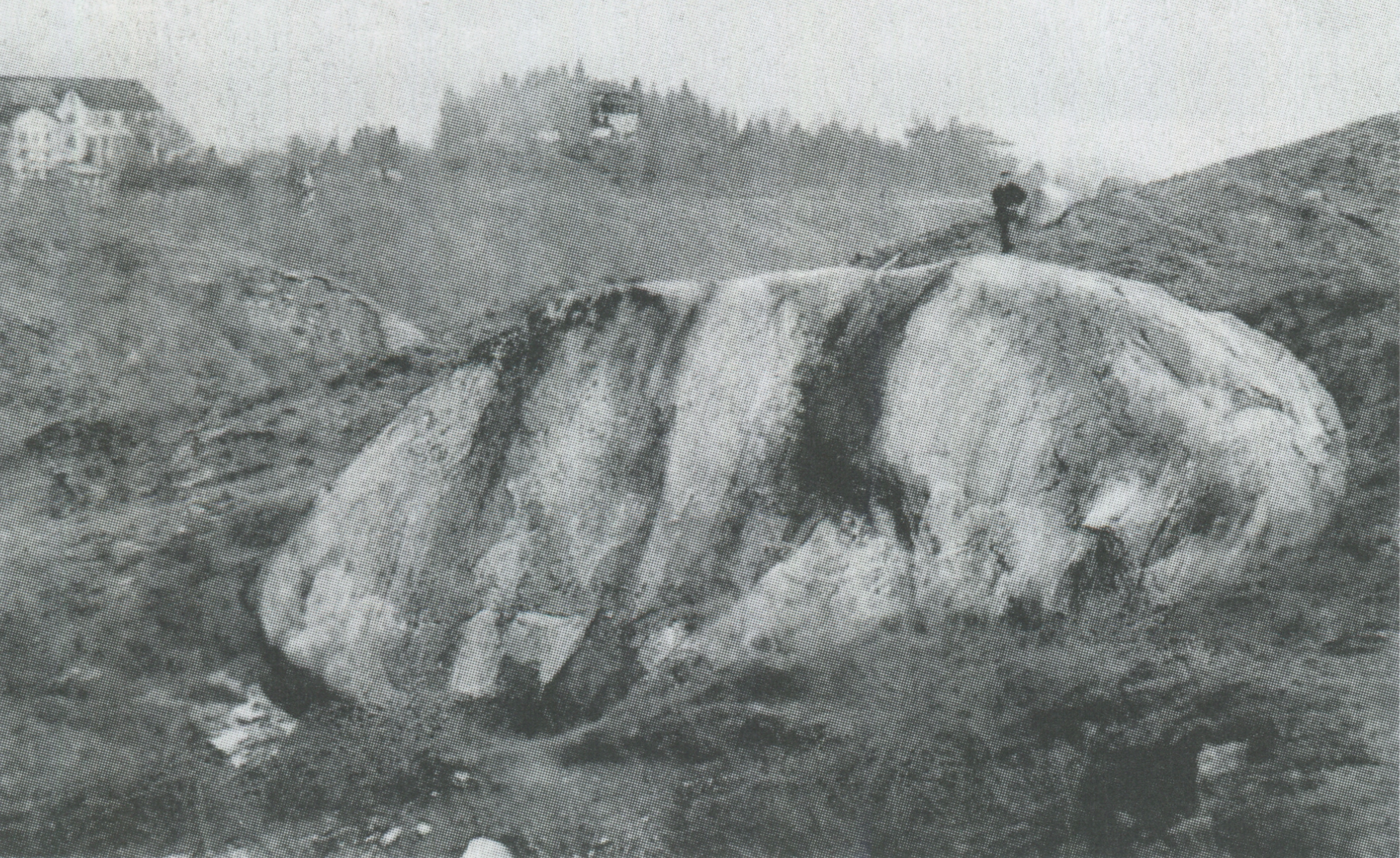
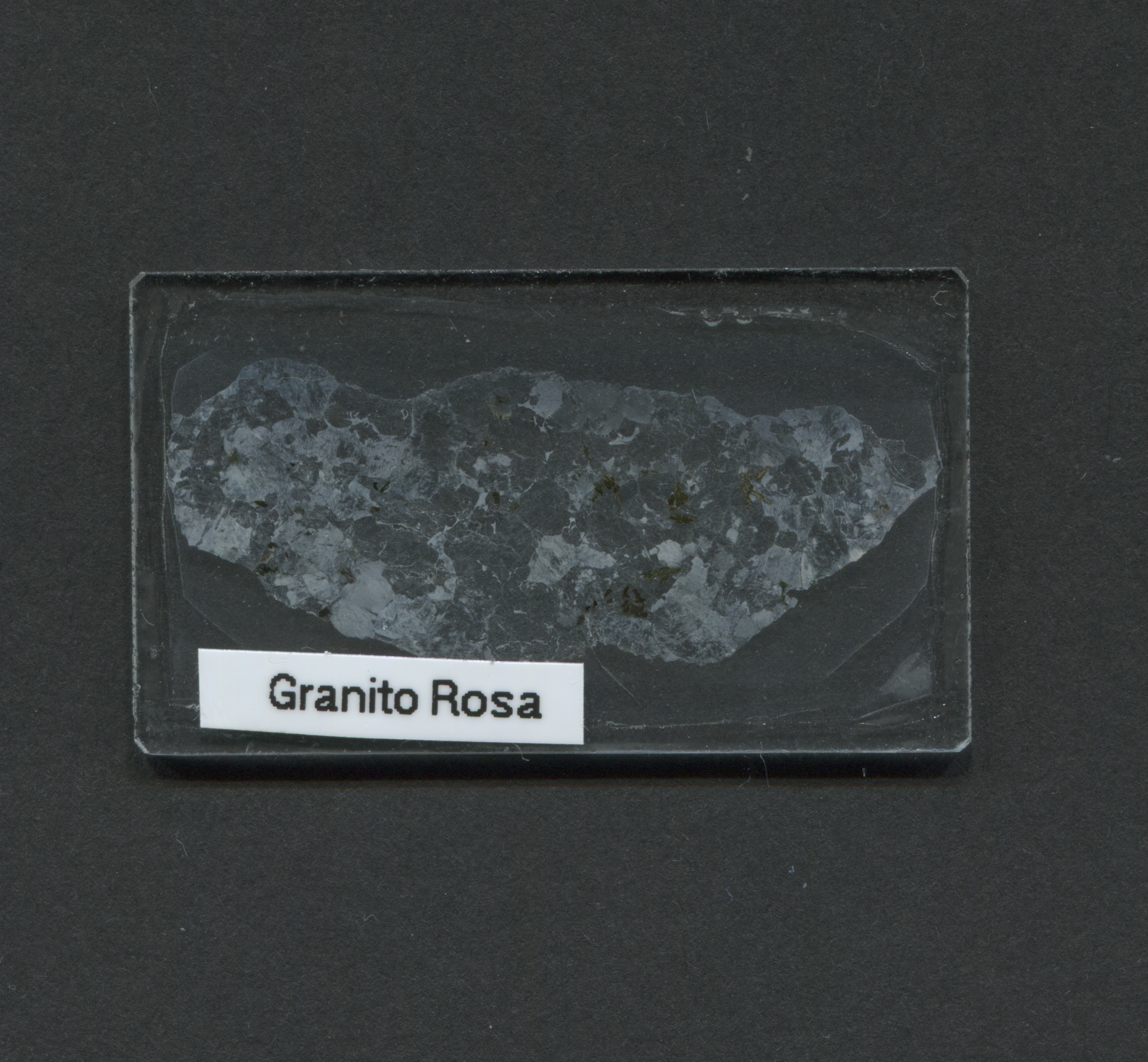
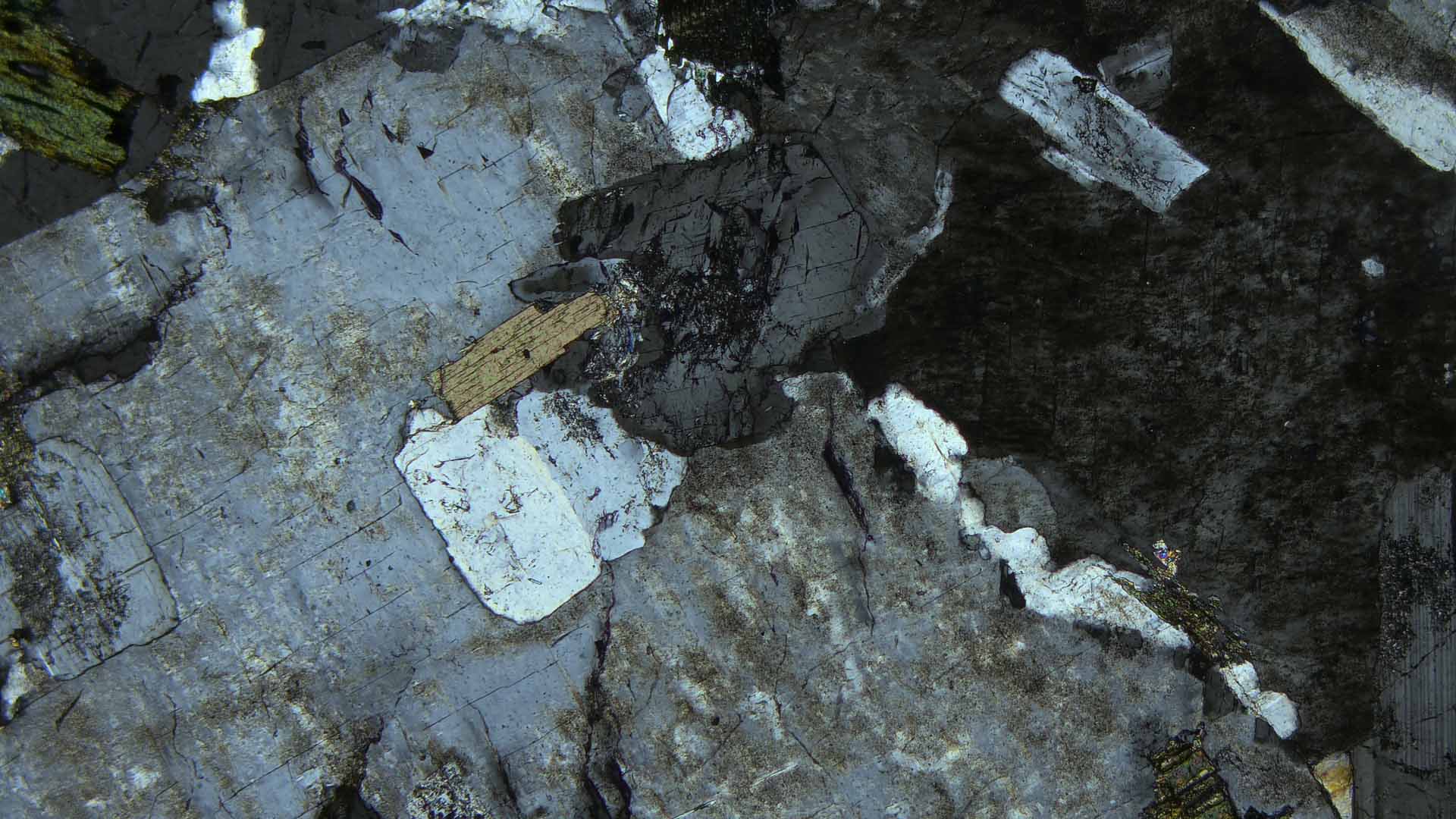
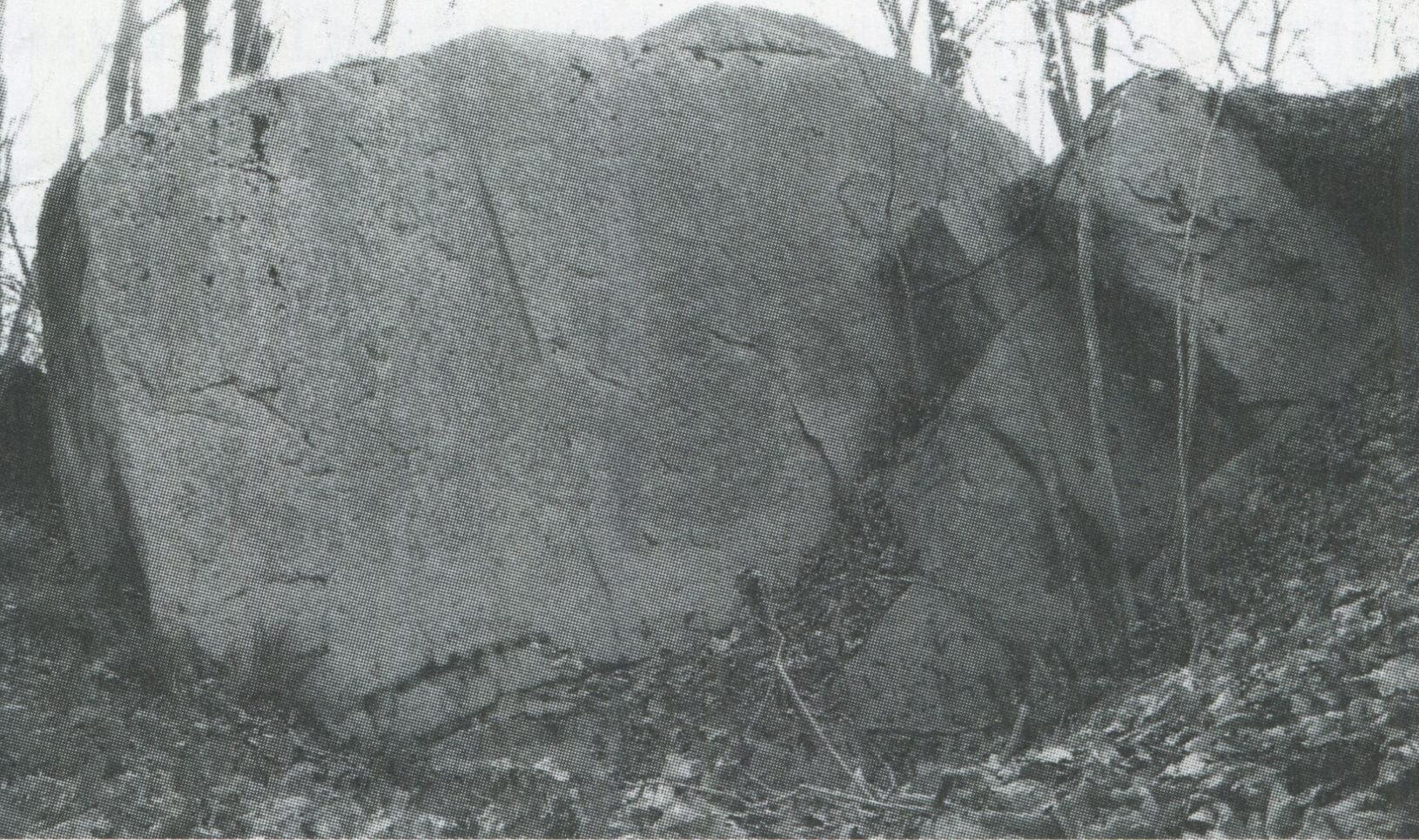
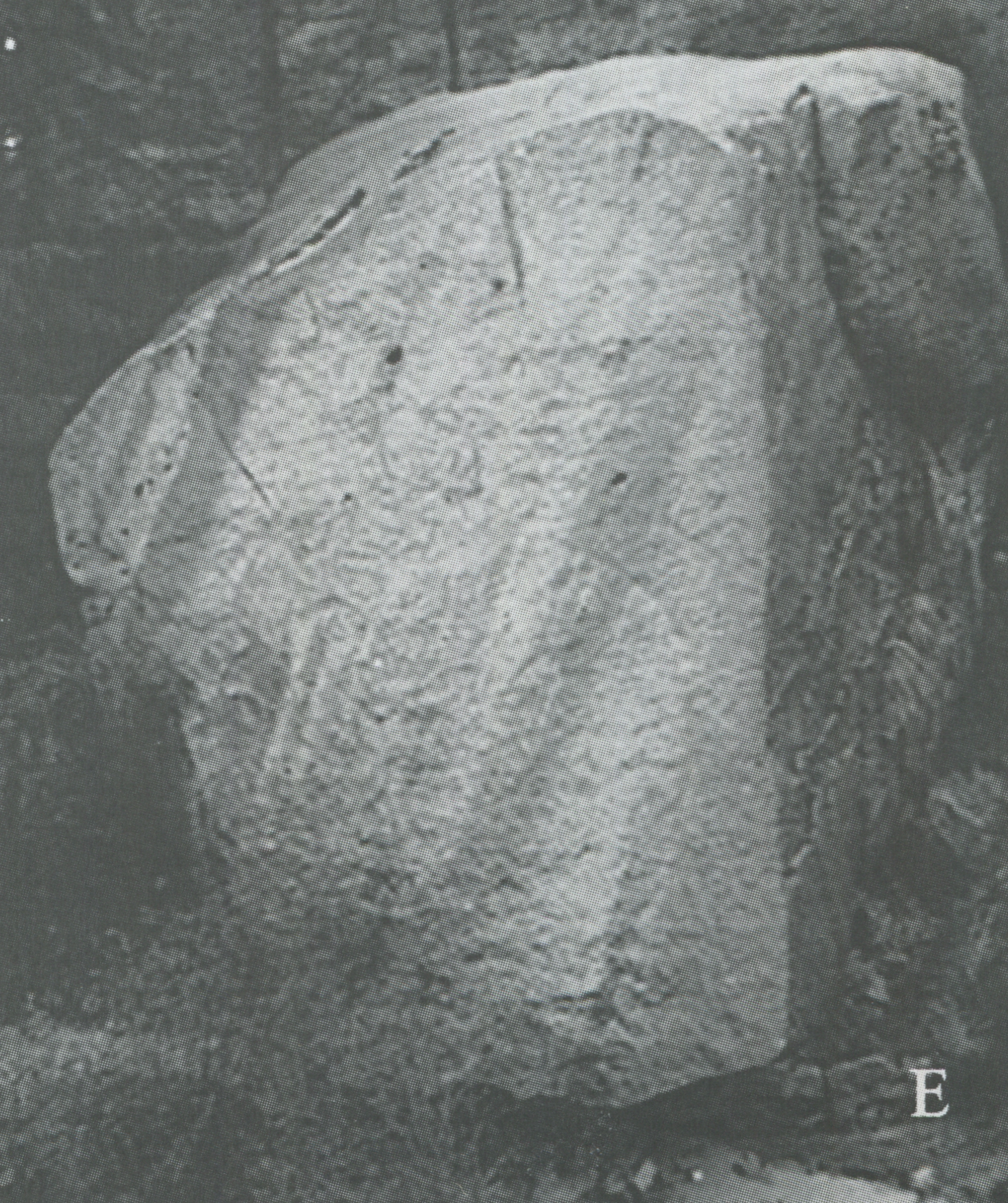
Un tempo punto di riferimento naturale e luogo sacro, l'enorme pietra, misurata intorno al 1889 in 22,86 metri di larghezza, 11,43 metri di profondità e 11,43 metri di altezza, è stata progressivamente smantellata nel corso del secolo scorso per l'estrazione del prezioso granito rosa di cui era composta. Oggi di essa rimangono soltanto il nome sulla mappa, frammenti lasciati dal processo di taglio e un vuoto nella memoria collettiva.
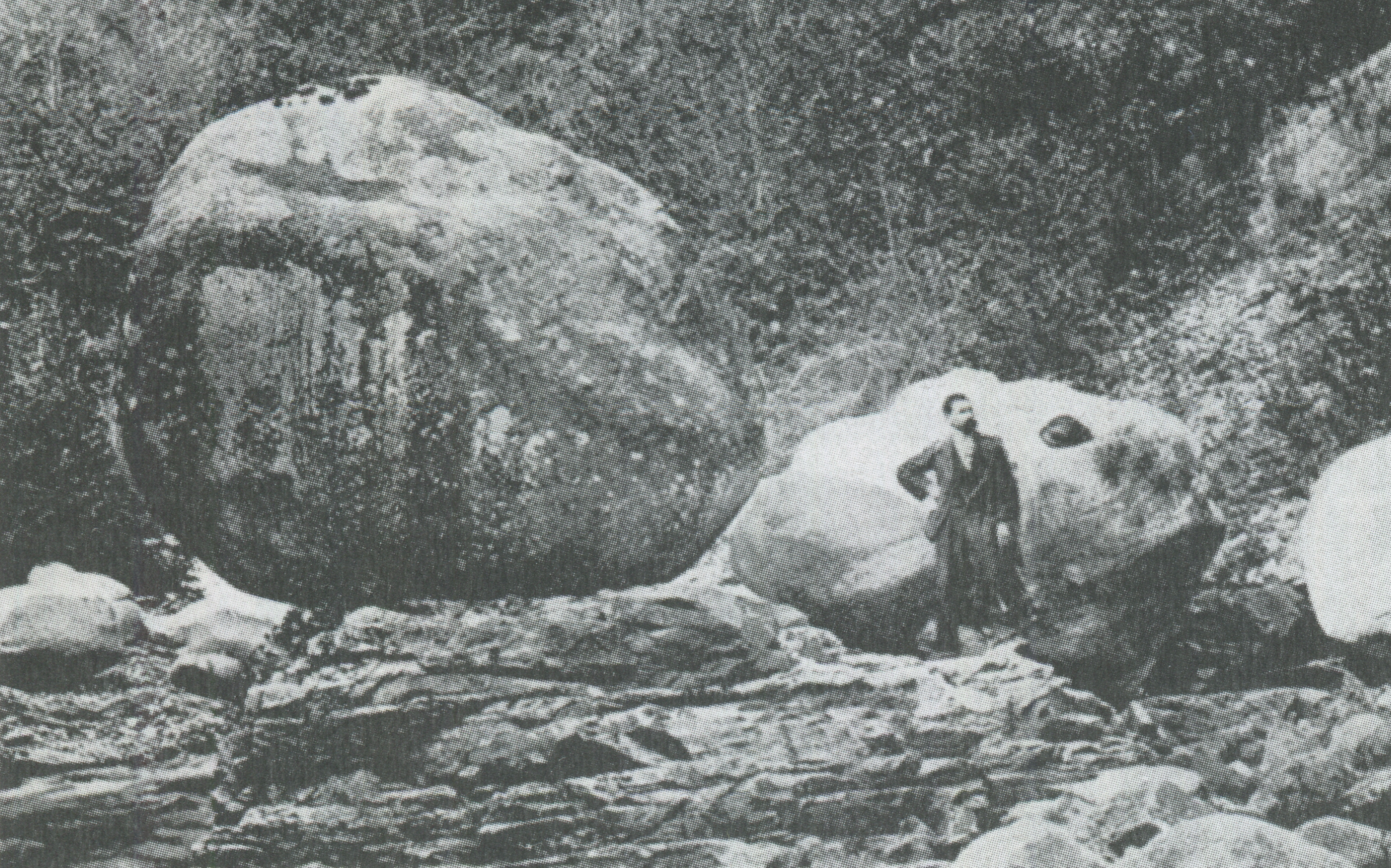
La pietra in questione era un masso erratico, una pietra "andante". Pietre di grandi dimensioni che hanno una natura diversa da quella del terreno su cui giacciono a testimonianza del loro spostamento attraverso vaste distanze nel corso del tempo. Prima dello sviluppo della geologia odierna, per lungo tempo la loro origine è stata inspiegabile, alimentando miti e leggende tra coloro che le incontravano.
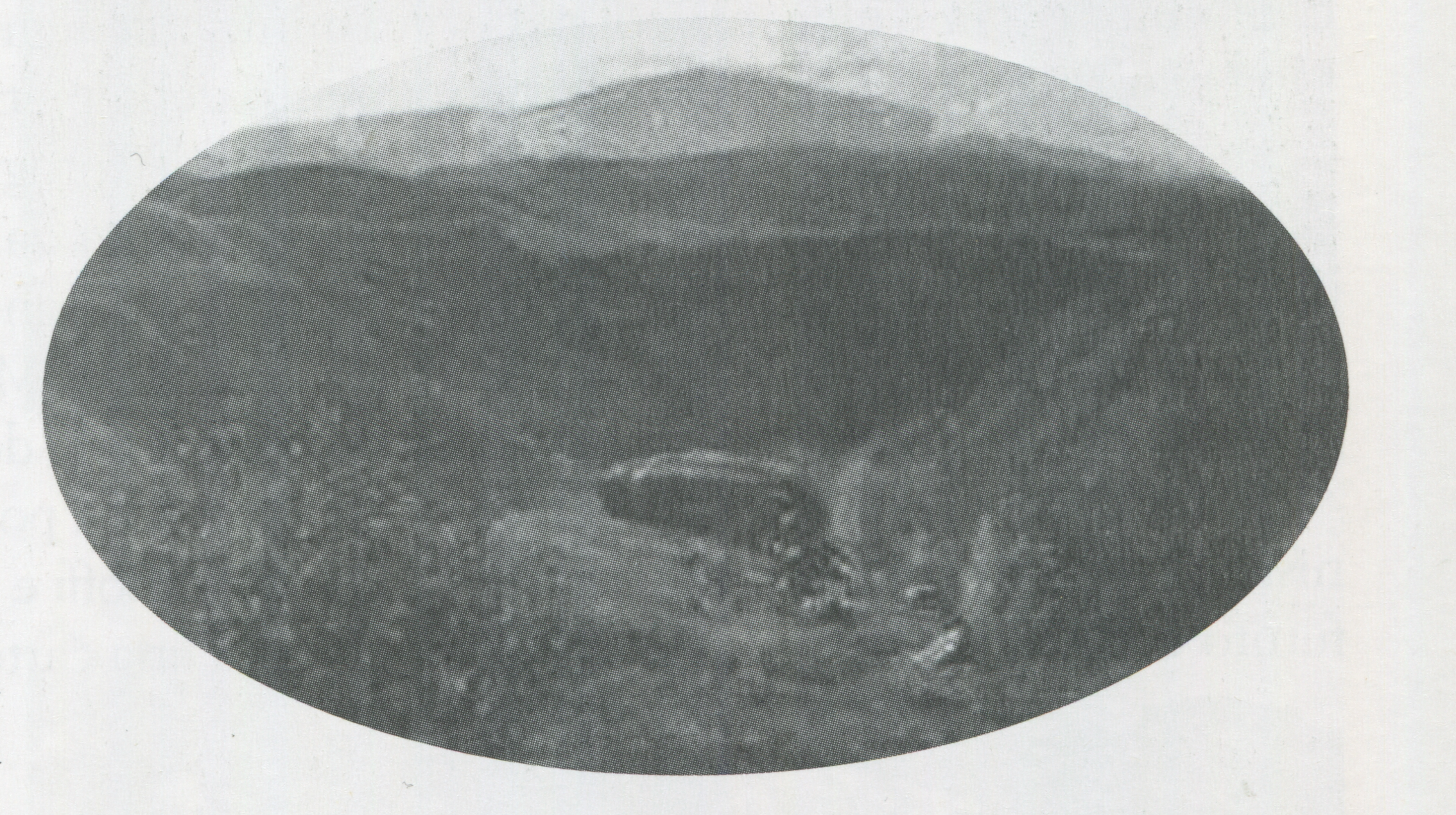
Situato nello spazio di terra racchiuso tra Lago d'Orta e Lago Maggiore, la località dove si trovava il sasso dista pochi chilometri da Baveno e Montorfano, storiche località di estrazione di Granito e allo stesso tempo di rapido sviluppo turistico fin dalla fine dell'Ottocento. La storia del masso in questione mostra in modo esemplare la trasformazione di significato del paesaggio: da luogo ignoto e di immaginazione a spazio misurabile e dal valore estraibile.
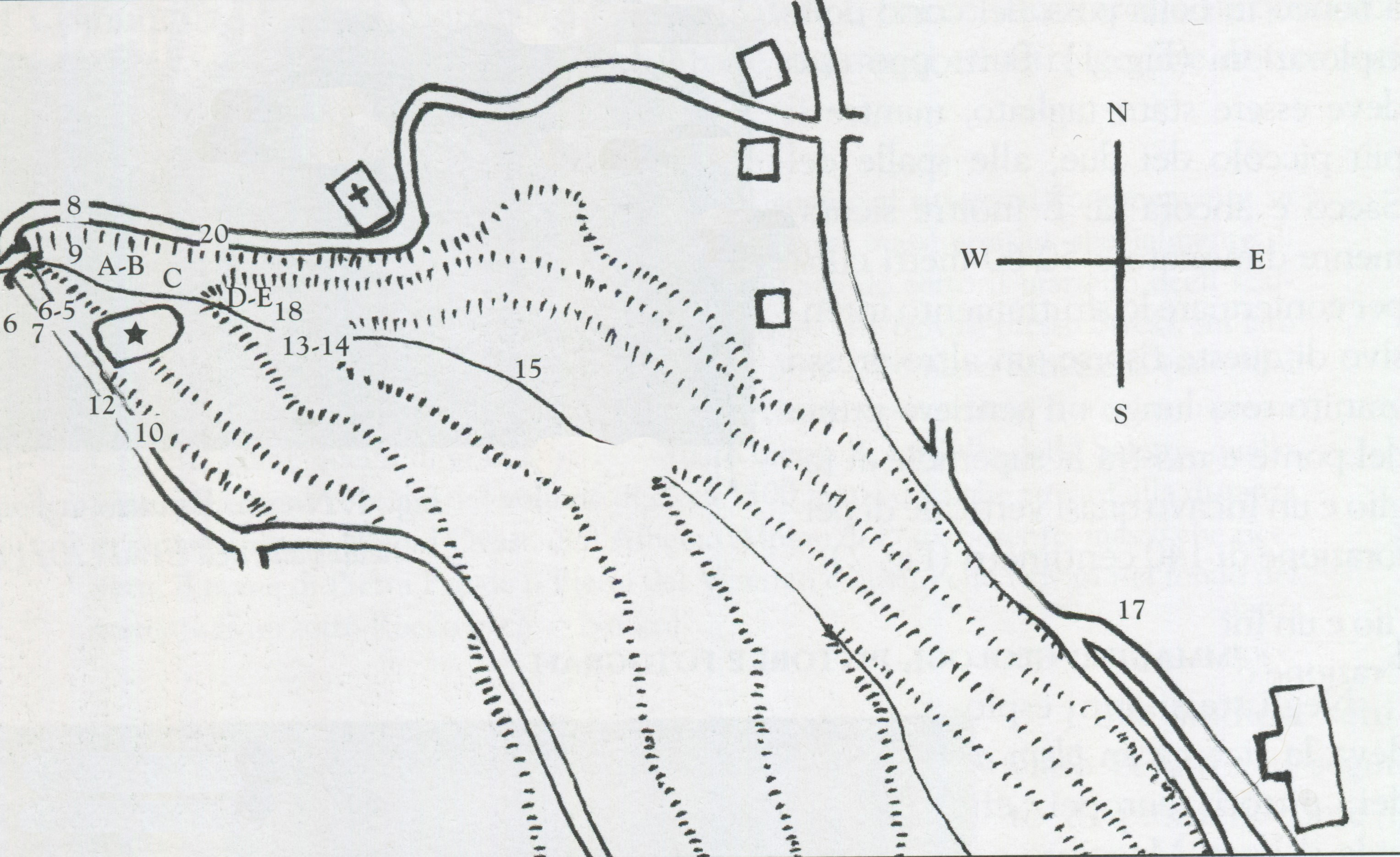
Il nostro primo incontro con il masso è stato informale, quasi casuale, nato da un'incomprensione cartografica, cioè quando un nome sulla mappa non corrisponde a quello che promette di rivelare. Questo sito web agisce come una traccia del progetto, aprendo possibilità di connessione, riflessione condivisa e scambio artistico con gli altri.
22.86 x 11.43 x 11.43 is an artistic dialogue developed between Matteo Bettini and Sonia Górecka since 2023, reconstructing and exploring the history of a vanished stone at the foot of Mottarone in the Italian western Alps.
Once a natural landmark and sacred place, the massive stone, measured around 1889 at 22.86 meters wide, 11.43 meters deep, and 11.43 meters high, was gradually dismantled over the course of the last century for the extraction of the precious pink granite from which it was made. Today, all that remains is its name on the map, fragments left from the cutting process, and a void in the collective memory.
The stone in question was not just any rock, but an erratic boulder, a "wandering" stone. These enormous formations differ from the terrain on which they rest, evidence of their displacement across vast distances over time. Before the development of modern geology, their origins remained unexplained, inspiring myths and stories among those who encountered them.
Located in the strip of land between Lake Orta and Lake Maggiore, the place where the boulder once stood lies only a few kilometers from Baveno and Montorfano, historic granite quarrying centers that experienced rapid tourism development from the late nineteenth century onward. The story of this boulder exemplifies the changing meaning of landscape: from an unknown place of imagination to a measurable space with extractable value.
Our first encounter with the boulder was informal, almost accidental, born from a cartographic misunderstanding: when a name on a map does not correspond to what it promises to reveal. This website acts as a trace of the project, opening possibilities for connection, shared reflection, and artistic exchange with others.